
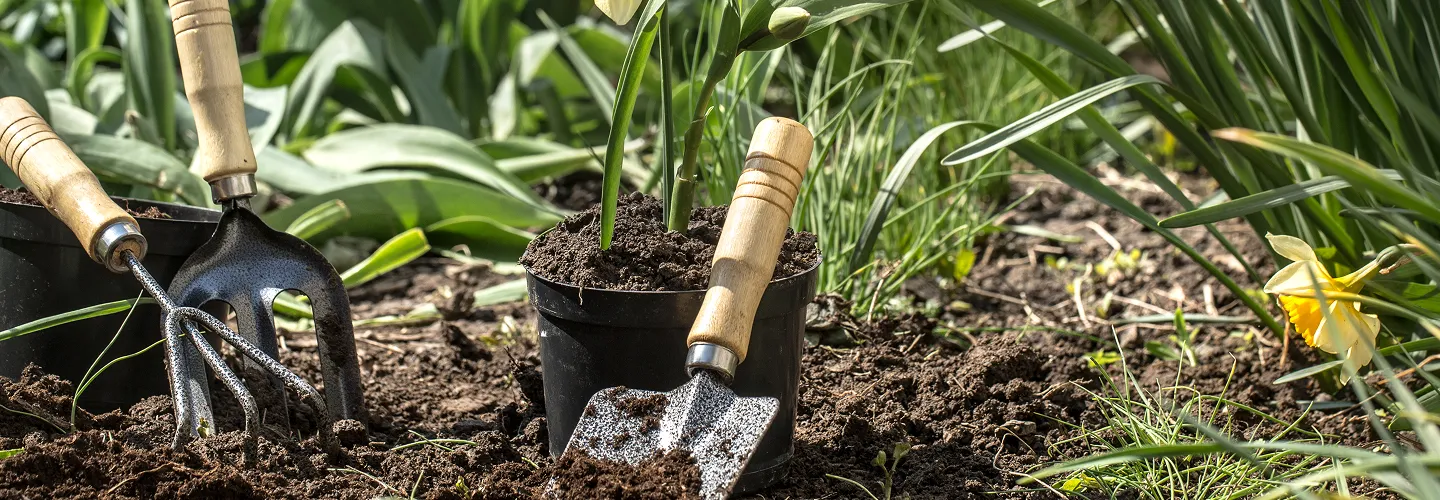
Westbrook Flower Planting Services
Choose our flower planting services for vibrant, healthy blooms that enhance your curb appeal and thrive all season long—our experienced team selects the perfect flowers for your space and ensures professional planting for lasting beauty.
Get a Free QuoteOur Westbrook Landscaping & Yard Care Services
When to Schedule Flower Planting in Westbrook, Connecticut – Seasonal Guide
Flower planting in Westbrook, Connecticut, is best scheduled with careful attention to our region’s unique climate and landscape. The optimal planting windows typically fall in early spring, after the last frost date—usually mid-April for neighborhoods near Westbrook Center and Chapman Beach—or in early fall, when soil temperatures remain warm but the risk of drought diminishes. Local weather patterns, such as humid summers and occasional coastal breezes from Long Island Sound, play a significant role in determining the best times for planting and establishing healthy blooms.
When planning your flower beds, it’s important to consider Westbrook’s sandy loam soils, which drain quickly in areas like Grove Beach but may require additional organic matter for moisture retention. Shade coverage from mature trees in the Old Kelsey Point area, as well as municipal watering restrictions, can also impact your planting schedule. For more detailed local climate data, you can consult resources like the Sudbury, MA municipal site, which offers helpful regional gardening insights.
Local Factors to Consider for Flower Planting in Westbrook
- Proximity to Long Island Sound and its effect on humidity and temperature
- Average last frost date (typically mid-April)
- Soil type and drainage, especially in sandy or low-lying areas
- Tree density and shade coverage in neighborhoods like Old Kelsey Point
- Terrain slope and risk of erosion after heavy spring rains
- Precipitation patterns and summer drought risk
- Municipal watering restrictions during peak summer months
Benefits of Flower Planting in Westbrook
Expert Local Knowledge
Customized Landscape Designs
Seasonal Plant Selection
Enhanced Curb Appeal
Eco-Friendly Practices
Reliable Maintenance Services

Westbrook Flower Planting Types

Perennial Flower Beds
-
Annual Flower Displays
-
Native Wildflower Gardens
-
Seasonal Bulb Planting
-
Pollinator-Friendly Plantings
-
Shade Garden Flowers
-
Container Flower Arrangements
Our Flower Planting Process
Site Evaluation
Soil Preparation
Plant Selection
Careful Planting
Watering and Mulching
Why Choose Westbrook Landscape Services
-
Westbrook Homeowners Trust Us
-
Expert Lawn Maintenance
-
Reliable Seasonal Cleanup
-
Competitive Pricing
-
Professional Team
-
Satisfaction Guarantee
-
Personalized Service
Soil Series and Drainage Considerations for Flower Planting in Westbrook
Flower planting in Westbrook requires careful attention to local soil conditions, which are predominantly Inceptisols and Ultisols formed from glacial till. Common soil series such as Haven and Charlton are moderately acidic (pH 5.5-6.5) and often stony, with poor to moderate drainage and a seasonal water table at 12-18 inches. Before planting, it is recommended to conduct a soil test through UConn Extension (typical cost: $15-25) to determine pH and nutrient levels. Amendments may include:
- Lime application for pH below 6.0
- Compost incorporation: 2-3 inches tilled to 6-inch depth
- Sand or gravel for improved drainage in low-lying areas Research local soil characteristics using the USDA Web Soil Survey to select appropriate species and amendment strategies. Coordination with municipal infrastructure is advised for properties near drainage easements or public rights-of-way.
Westbrook Department of Public Works
866 Boston Post Road, Westbrook, CT 06498
Phone: (860) 552-4496
Official Website: Westbrook Department of Public Works
Seasonal Timing and Climate Zone Guidance for Westbrook Flower Planting
Westbrook is located in USDA Hardiness Zone 6b-7a, with average last frost dates between April 20 and May 10 and first frost typically in late October. Optimal planting windows for annuals and perennials are:
- Spring: April 15 – May 30 (soil temp 50-65°F)
- Fall: September 1 – October 15 (for hardy perennials and bulbs) Avoid planting during peak summer (June-August) due to heat stress and increased watering needs. Monitor local weather forecasts through the National Weather Service New York, NY office for frost advisories and rainfall patterns. For best results, schedule planting after heavy spring rains to prevent soil compaction and root disturbance. Mulching with 2-3 inches of organic material helps retain moisture and regulate soil temperature throughout the growing season.
Native and Salt-Tolerant Flower Species for Westbrook’s Coastal Environment
Given Westbrook’s proximity to Long Island Sound and exposure to coastal winds and salt spray, selecting resilient species is essential. Recommended options include:
- Full sun: Black-eyed Susan (Rudbeckia hirta), seaside goldenrod (Solidago sempervirens), daylily (Hemerocallis spp.)
- Partial shade: Coral bells (Heuchera americana), wild columbine (Aquilegia canadensis)
- Salt-tolerant: Beach rose (Rosa rugosa), New England aster (Symphyotrichum novae-angliae)
- Deer resistant: Lavender (Lavandula angustifolia), Russian sage (Perovskia atriplicifolia) Native plantings support pollinators and reduce maintenance. Maintain 25-foot no-disturbance zones from wetlands and water bodies as required by the Connecticut Environmental Protection Act and local ordinances. For additional guidance, consult UConn Extension for regionally appropriate plant lists and maintenance recommendations.
Wetland Buffers, Stormwater Compliance, and Environmental Regulations in Westbrook
Properties adjacent to wetlands, streams, or conservation areas in Westbrook must comply with both local and state environmental regulations. The Connecticut Department of Energy and Environmental Protection (CT DEEP) enforces MS4 stormwater permit requirements, prohibiting soil disturbance and fertilizer application within 25 feet of regulated wetlands. Key compliance steps include:
- Maintain 25-foot vegetative buffer from all wetlands
- Prohibit fertilizer and pesticide use within buffer zones
- Prevent mulch, soil, or debris from entering storm drains
- Schedule planting to avoid heavy rainfall events Violations may result in enforcement actions under the Clean Water Act. For site-specific buffer requirements and permit procedures, coordinate with the local conservation authority.
Westbrook Conservation Commission
866 Boston Post Road, Westbrook, CT 06498
Phone: (860) 399-3040
Official Website: Westbrook Conservation Commission
Equipment Operation Hours, Safety Protocols, and Municipal Standards for Flower Planting
All flower planting activities in Westbrook must adhere to municipal noise ordinances and safety standards. Equipment operation is permitted during the following hours:
- Monday-Friday: 7:00 AM – 7:00 PM
- Saturday: 8:00 AM – 6:00 PM
- Sunday and holidays: Prohibited Operators must use commercial-grade equipment with functioning mufflers and maintain noise levels below 85 decibels at property lines. Required personal protective equipment (PPE) includes:
- Eye protection: ANSI Z87.1 safety glasses
- Hearing protection: Earmuffs or plugs for 85+ dB
- Footwear: Steel-toed boots
- Gloves: Cut-resistant for pruning, chemical-resistant for applications Maintain a 15-foot clearance from overhead utilities and public walkways. For work on public property or near municipal infrastructure, obtain necessary permits and coordinate with the appropriate department.
Westbrook Building Department
866 Boston Post Road, Westbrook, CT 06498
Phone: (860) 399-0341
Official Website: Westbrook Building Department
What Neighborhoods Do We Serve Throughout Westbrook, CT?
- Town Center: Features older homes with compact lots and mature landscaping. Soil compaction and limited sunlight are common challenges for flower planting in this area.
- Chapman Beach: Coastal exposure and sandy soils require salt-tolerant and drought-resistant species. Proximity to wetlands necessitates strict buffer compliance.
- Pond Meadow: Larger lots with moderate tree cover and variable drainage. Seasonal water table fluctuations may impact planting depth and species selection.
- Indian Town: Waterfront properties with high salt exposure and wind. Flower beds must be designed for erosion control and stormwater management.
- Westbrook Heights: Elevated terrain with rocky, well-drained soils. Sloped sites may require terracing or erosion control measures for successful plant establishment.
- Pilots Point: Marina-adjacent area with heavy foot traffic and infrastructure constraints. Plantings should prioritize low-maintenance, resilient species and comply with public safety standards.
- Salt Island: Conservation-focused area with sensitive habitats. Strict adherence to wetland buffer regulations and use of native species is required.